
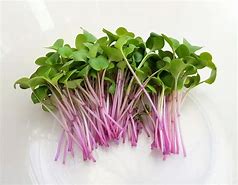
What are Microgreens?
Microgreens are young greens, typically comprising a pair of cotyledons that are power packed with nutrients. Microgreens are deemed to be a super food due to their richness in a range of vitamins, minerals, folates, carotenoid and many more bioactive healthy components. They are usually harvested between 7-21 days and their size varies from 1-3 inches.
Microgreens are aroma rich and their nutrition dense character imparts a strong flavour based on the dominant nutrient. Now that, we have caught a glimpse of what exactly microgreens are, let’s jump forward to know what health benefits you can reap from microgreens besides their types, risks, and how to add Microgreens to your diet.
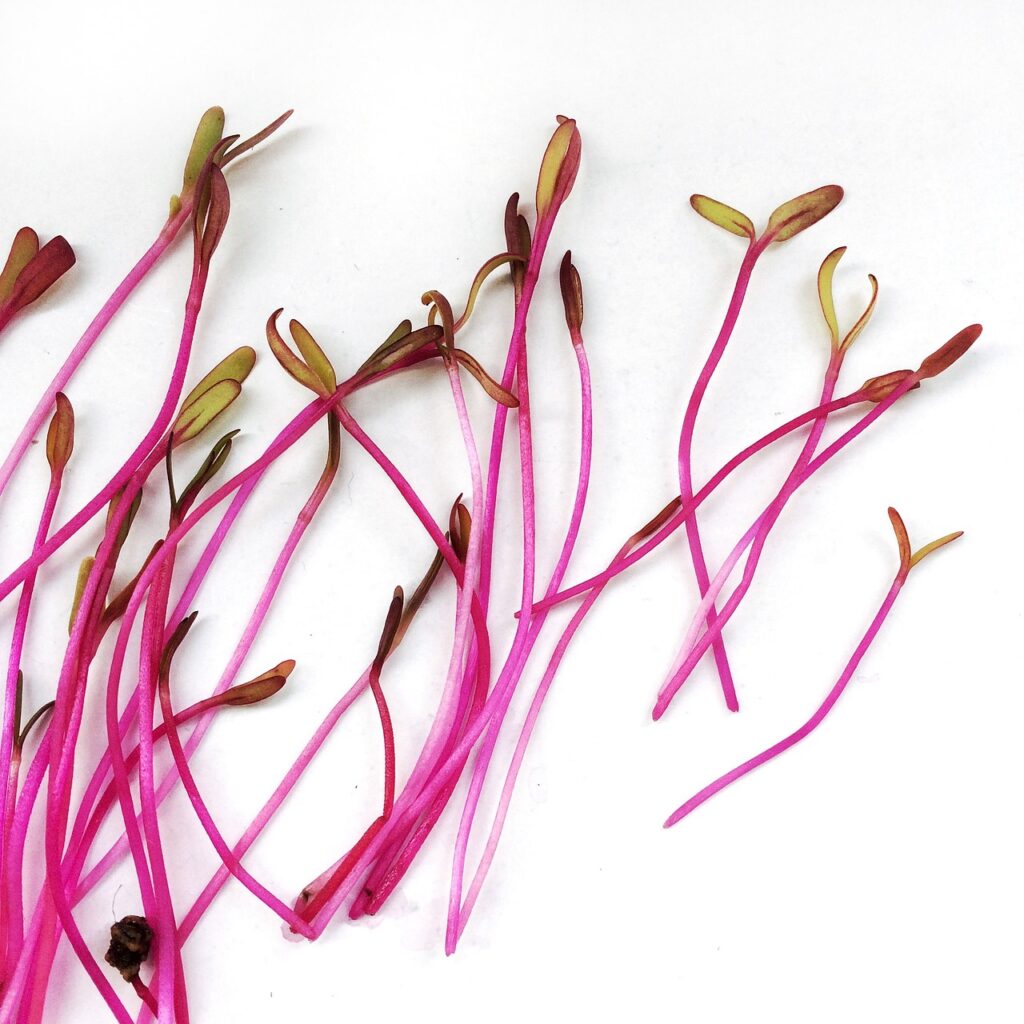
Microgreens and their health benefits
Microgreens are the better versions of vegetables compared to their grown counter parts. Let’s dig into understand what makes these micro greens a must to our dietary addition.
Microgreens for Heart Health
Recent research supports presence of polyphenols to be an active factor in reducing cardio vascular diseases. Especially, the Microgreens of brassicacea family such as cabbage, mustard microgreens contain rich amounts of polyphenols that aid in heart health besides these Microgreens are an excellent source of ascorbic acid, carotenoids, and glucosinolates.
Microgreens against Diabetes
Type-2 diabetes is a major ailment in India as well as worldwide. Incorporation of microgreens may be a promising agent against diabetes. Studies show improved antioxidant indices and reversing of insulin resistance with the incorporation of microgreens in diet.
Microgreens against certain Cancers
Many vegetables contain rich antioxidant properties that greatly benefit human health. Among vegetables, certain families of microgreens, such as brassica are known to be rich in sulforaphane contents. And, its major asset to human health is its ability to block or prevent cancer.
Microgreens against Anaemia
Iron deficiency is another common hampering agent of human health, which is a reality to many populations. Green leafy vegetables are an excellent source of iron and beta-carotene besides they have higher bio available densities of micronutrients compared to many cereal legume based diets. Besides other vegetables such as Radish and Roselle are known to be the most nutrient-dense microgreens and can help against anaemia.
Microgreens boost Eye Health
Many microgreens are a rich source of Vitamin-A and luteins which significantly enhances eye health. For instance, Carrot microgreens are power houses of Vitamin-A, whereas radish microgreens are filled with goodness of Vitamin-C which greatly protects against oxidative stress, in turn boosting eye health.
So, next time you see these tiny greens on the shelf, make sure to add them to your cart to boost your health attributes to the maximum.
How are Microgreens grown?
Although microgreens are robust in nutrition, they are quite easy to handle then their grown counter parts. All you need is good quality seeds, a perfect medium and balanced source of light and water- besides, a pinch of patience! Follow these simple 6 steps to grow your microgreens at home.
- You need to start with filling your medium (soil, coir or coco peat) into trays and slightly water it.
- Now, proceed to sow your preferred seeds and sprinkle them with water.
- Cover the seeds with a plastic lid (black out) in order to provide them with the moist conditions and controlled temperature needed to germinate.
- After a couple of days of germination, arrange the germinated seeds in tray under light (artificial grow lights are preferred, since microgreens need at least 12-16 hours of light for optimum growth ).
- Make sure to water them regularly and finally all you need to do is wait for the tiny greens magic to happen.
- After microgreen reaches 1-3 inches and gain robust colour, the healthy greens are ready to harvest.
If this sounds like a hassle, don’t worry, since we got you covered with a range of microgreens available at our website. Feel free to browse around and find your desired microgreens at addleaves.
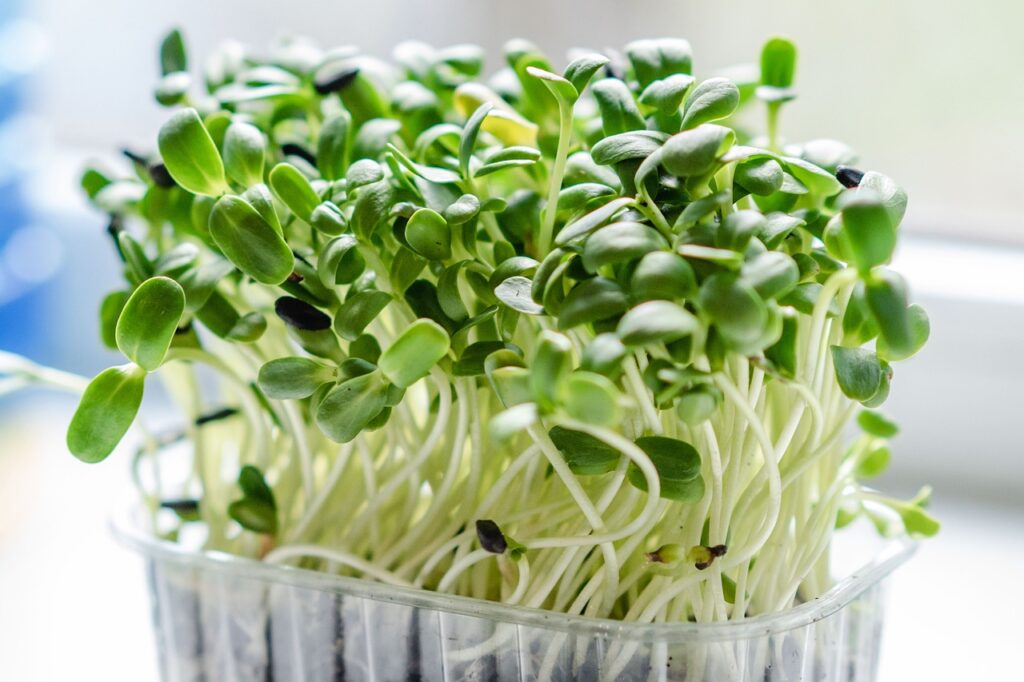
Types of Microgreens
There are tens of microgreens belonging to various families. When choosing one, you can rely on the vegetables’ flavour that you usually prefer to eat in addition to its health benefits. Below is the list of some popular microgreens.
Brassicaceae: Cabbage, Cauliflower, Radish, Broccoli
Asteraceae: Lettuce, Chicory, Sunflower
Cucurbitaceae: Cucumber, Squash
Amaranthaceae: Amaranth, Spinach, Beet root
Apiacea: Carrot, Fennel
Amaryllidaceae family: Garlic, onion
Although many food crops are eligible to be consumed as microgreens, there are always some exceptions, so always make sure to research about the crop before choosing any vegetable. For instance, some solanaceous crops are unfit for human consumption at an early stage of their life cycle hence unfit to be consumed as microgreens.

How to add Microgreens in daily food?
Microgreens are safe to eat raw as well as along with your culinary treats. However, make sure that you don’t expose them to high temperatures as they can los theri nutritive values.
Best way to add microgreens to your diet, would be to use microgreens as a part of your salads, soups, snacks, juices, blends or else as simple garnishes. However, these are not the restrictions and feel free to experiment with this super food the way you want to!
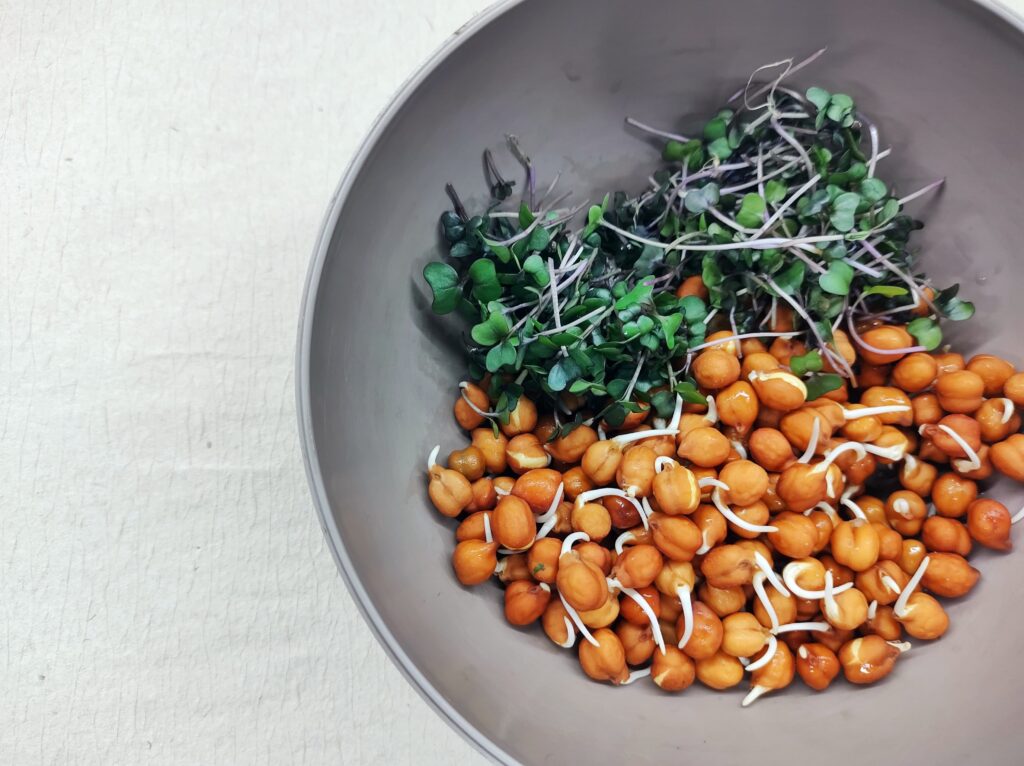
Microgreens disadvantages and risks
Microgreens are safe to consume, however always make sure to purchase from a trusted market place and store it in required cool temperatures. Besides, if you are planning to grow microgreens on your own, stick to sterilised medium, safe seeds and environment to avoid any risks.
Frequently Asked Questions (FAQs)
- Is it good to eat microgreens every day?
Yes. Microgreens are safe to consume every day and are a great addition to maintain a balanced diet.
- Can you eat microgreens roots?
It is preferable to consume microgreens for its leaves and stem as they are the most nutritious.
- Are raw microgreens safe to eat?
Yes. Microgreens are safe to be eaten raw.
- Is microgreen a super food?
Owing to its concentrated and diversified nutritive, microgreens are often deemed to be super foods.
- How to store microgreens?
After harvesting, you can place the microgreens in a sealed container with a damp paper towel preferably, to maintain the moist environment and store it in cool temperatures of a refrigerator.